

Chartmetric Data Reveals Why Streaming Popularity Isn’t Translating Into Ticket Sales for Major Touring Artists
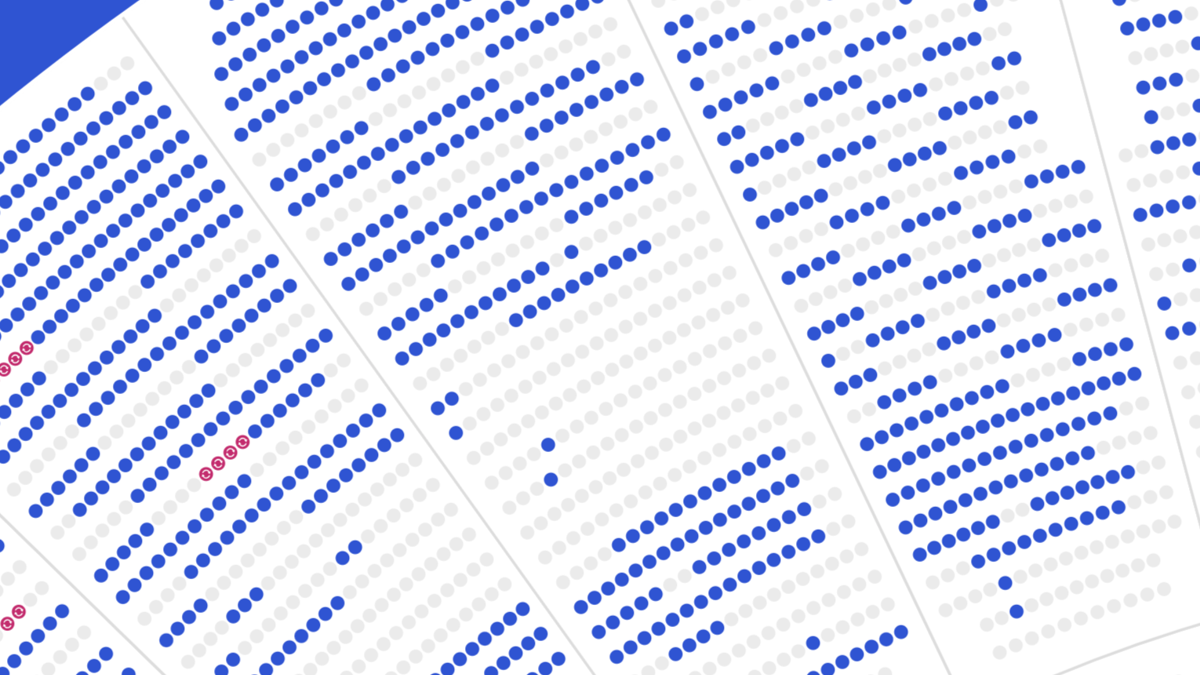
Chartmetric examines the deeper problems driving 'Blue Dot Fever'

Pussycat Dolls and Post Malone: Spotify Monthly Listeners
Analysis of four high-profile 2026 tours shows a consistent gap between headline fan metrics and the listening behavior that actually predicts ticket buyers.
The touring industry has for years priced tours based on metrics like monthly listeners and social following. But those metrics were never designed to predict whether a fan will actually buy a ticket.”
SAN MATEO, CA, UNITED STATES, September 8, 2026 /EINPresswire.com/ -- Four major artists, Post Malone, Zayn Malik, Meghan Trainor, and the Pussycat Dolls, canceled or scaled back their touring plans in 2026. None cited weak demand as the reason. But a new analysis from Chartmetric, the music industry analytics platform, points to a shared pattern behind all four: a widening gap between surface-level fandom numbers and the underlying signals that actually predict who buys a ticket. — Chartmetric
The music industry has taken to calling this phenomenon ‘blue dot fever’—a reference to the unsold seats that can turn a headline tour into a financial liability. Chartmetric’s platform data suggests the gap has less to do with any single artist’s popularity and more to do with how that popularity is being measured.
Monthly listener counts don’t capture the full picture.
The four artists examined range from roughly 16.6 million to 62.6 million monthly listeners on Spotify—numbers that, on the surface, would appear to support easy sellouts at the stadium level. But Chartmetric’s data shows that raw monthly listener totals don’t distinguish between a superfan streaming an artist on repeat and a casual listener who encounters one older single in a passive playlist while working or exercising.
Chartmetric’s platform is built to look past that headline number and identify which specific songs are driving an artist's streams. That’s a distinction that the company says is what actually separates a likely ticket buyer for a new tour from a passive listener who may like the music, but isn’t interested in seeing the act live.
Old catalogs are carrying the streaming numbers.
Across all four artists, the large majority of streams trace back to material from an earlier era of their careers rather than songs in their current live setlists. Zayn Malik’s case was the clearest in the dataset: he has close to 26 million monthly Spotify listeners, but nearly all of his meaningful stream volume comes from three songs released between 2016 and 2018.
“PILLOWTALK,” “I Don’t Wanna Live Forever,” and “Dusk Till Dawn” are the songs driving listening on Spotify for Zayn. Only one of the three remains in his current setlist. Chartmetric’s playlist-tracking data also found that those three tracks appeared on nearly ten times as many playlists as the rest of his catalog combined. Post Malone shows a similar pattern, with none of his ten most-playlisted songs coming from the current decade.
Chartmetric describes this phenomenon as a feedback loop: streaming platforms tend to reward already-popular catalog tracks with continued placement, which pushes new material further from discovery and steers audiences toward back catalogs rather than newer songs that would build demand for a current tour.
Social growth has stalled across the group of artists examined.
Chartmetric’s data also shows that Post Malone, Zayn Malik, and Meghan Trainor have each seen a net decline in Instagram followers over the past two years. Social media followers trending up or down is a signal that booking agents increasingly weigh as a forward-looking demand signal alongside streaming data. Julian Schwartzman of Liaison Artists said a strong social presence today “goes a very long way in terms of being able to move tickets.”
Superfan density outperforms raw audience size.
Not every artist shows this pattern of huge monthly listeners but tepid tour demand. Chartmetric’s data on artists such as REZZ shows the opposite dynamic: a smaller, highly engaged fanbase can translate directly into ticket sales, with as many as half of REZZ’s ticket buyers found to be traveling out of state to attend shows. According to Chartmetric, that’s a stronger predictor of tour health than a broad monthly listener count on Spotify. Charmetric’s data points to Olivia Rodrigo, Kaskade, and REZZ as acts currently avoiding the ‘blue dot fever’ phenomenon. Their teams are reading engagement depth, catalog recency, and audience density rather than relying on surface-level reach metrics alone.
Chartmetric says the underlying issue isn’t that any one artist did something wrong, it’s that the touring industry has for years priced tours based on metrics like monthly listeners and social following. But those metrics were never designed to predict whether a fan will actually pay for a night out at a live show.
The full data analysis is available on Chartmetric’s How Music Charts blog.
About Chartmetric
Chartmetric is a business intelligence platform built for the music industry, tracking data on more than 12 million artists across more than 30 streaming and social platforms. The company combines data engineering and data science to help music labels, artists and their management, digital distributors, branding and creative agencies, and live-sector executives make faster, more informed business decisions.
Chaz Jenkins
Chartmetric
hi@chartmetric.com
Legal Disclaimer:
EIN Presswire provides this news content "as is" without warranty of any kind. We do not accept any responsibility or liability for the accuracy, content, images, videos, licenses, completeness, legality, or reliability of the information contained in this article. If you have any complaints or copyright issues related to this article, kindly contact the author above.
